

Heavy Metal – A Case By Dr. Manouchehr Kiaei
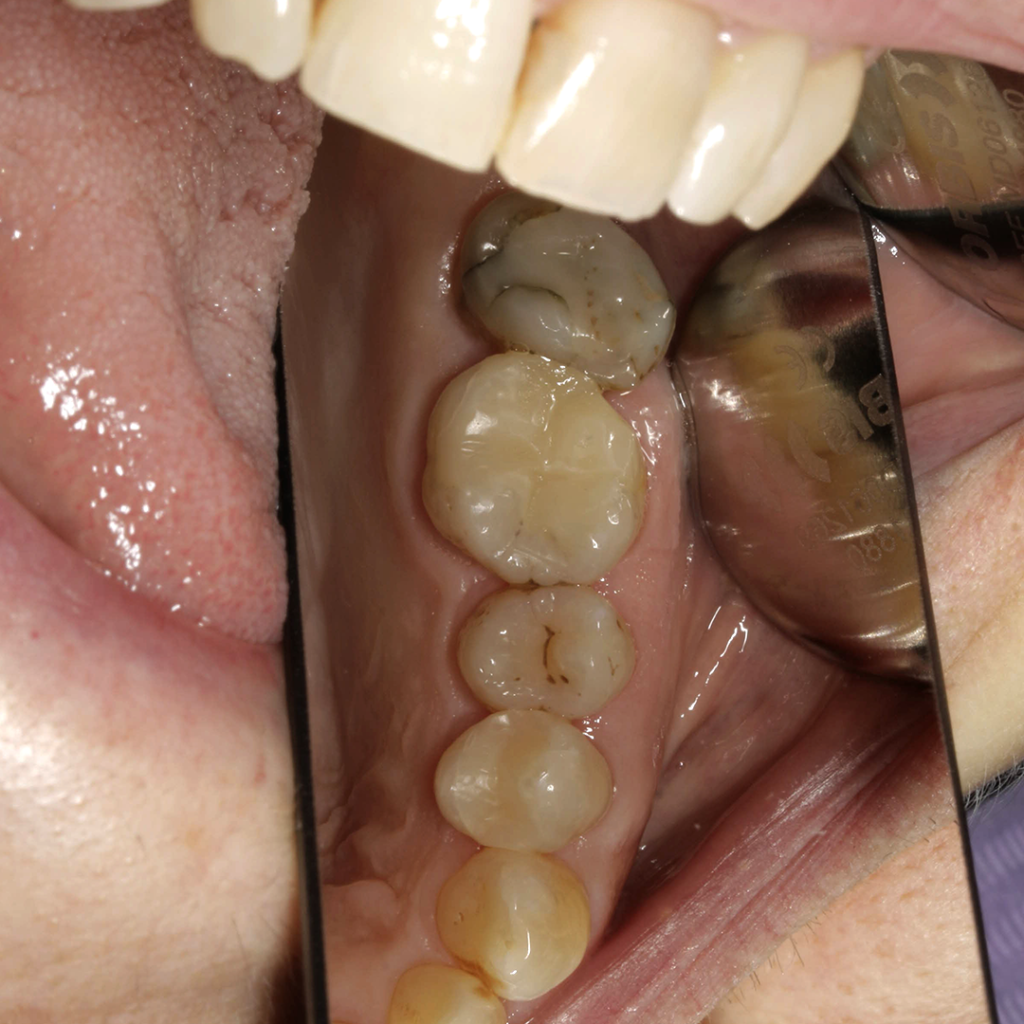
This clinical case involves a 54-year-old female patient who presented for her annual checkup. During the examination, secondary caries were detected on teeth #24 and #26.
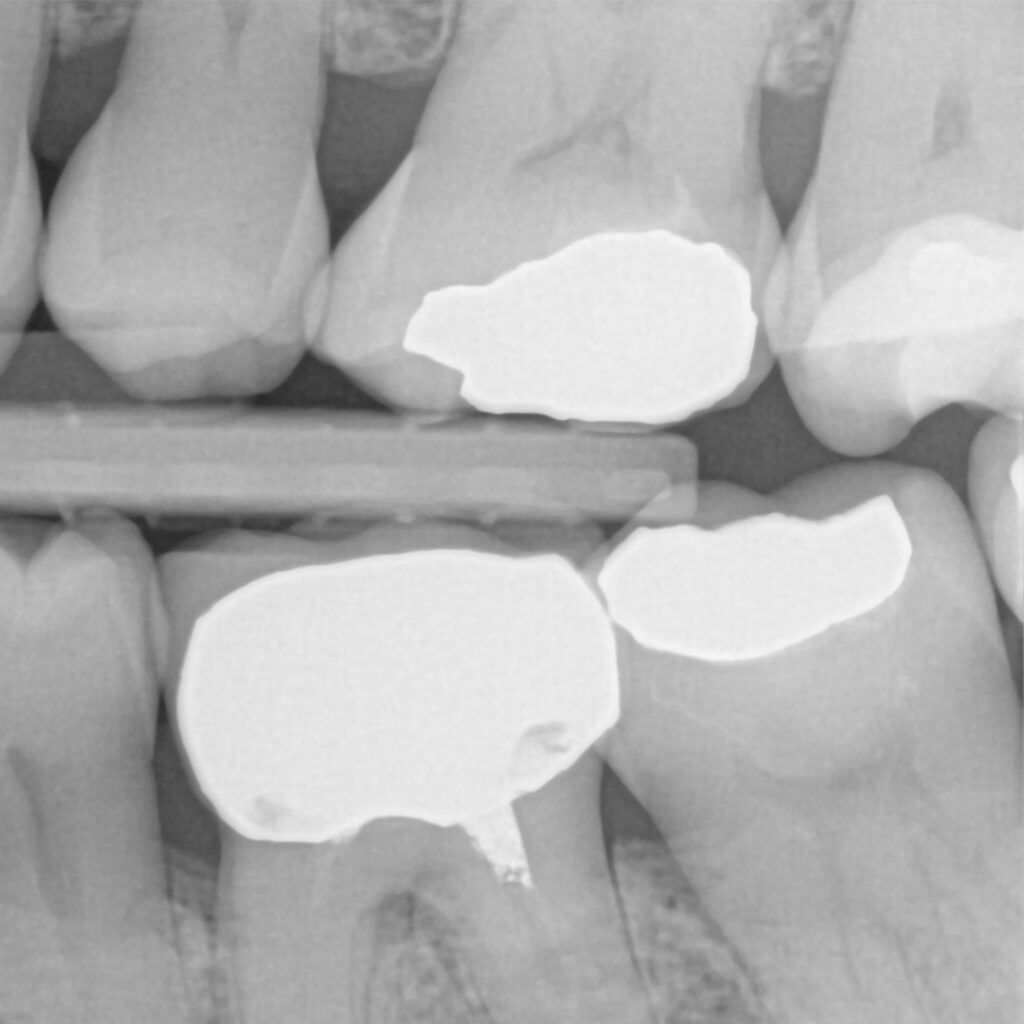
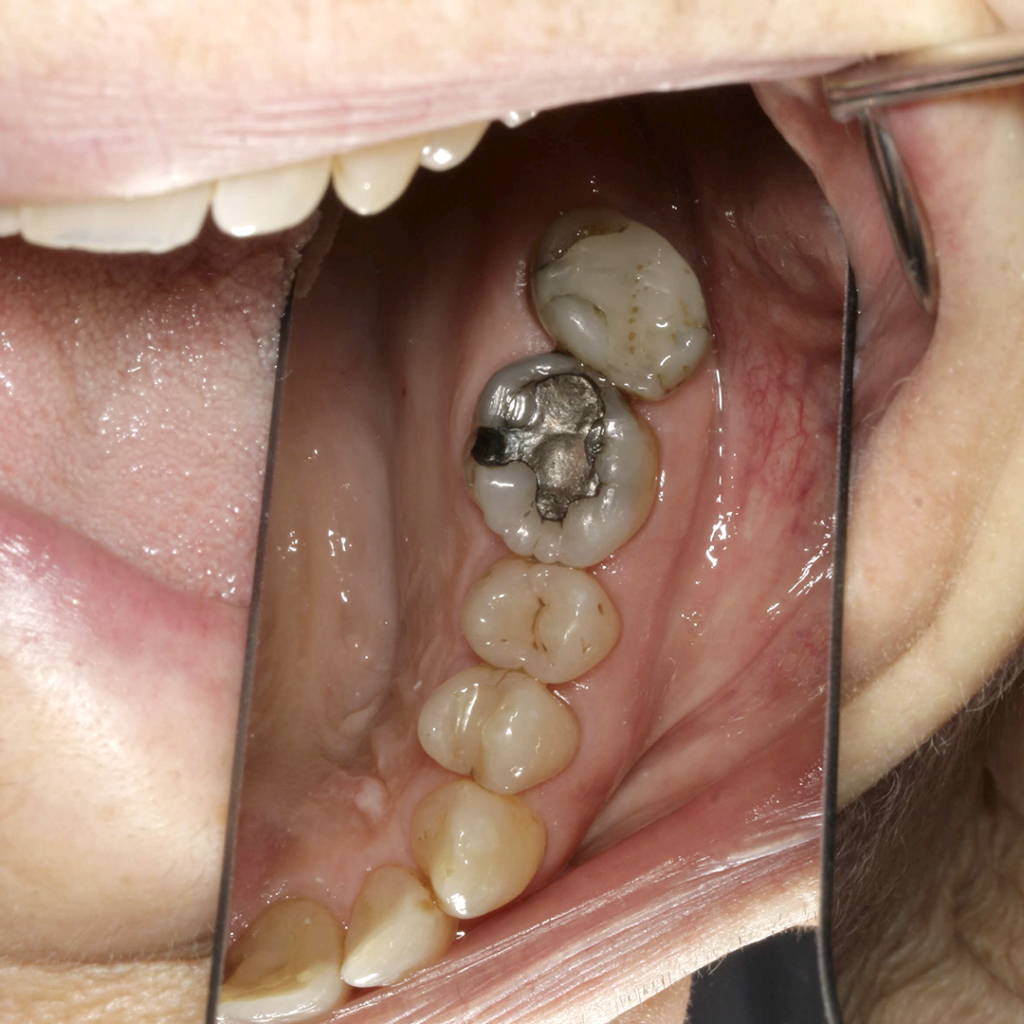
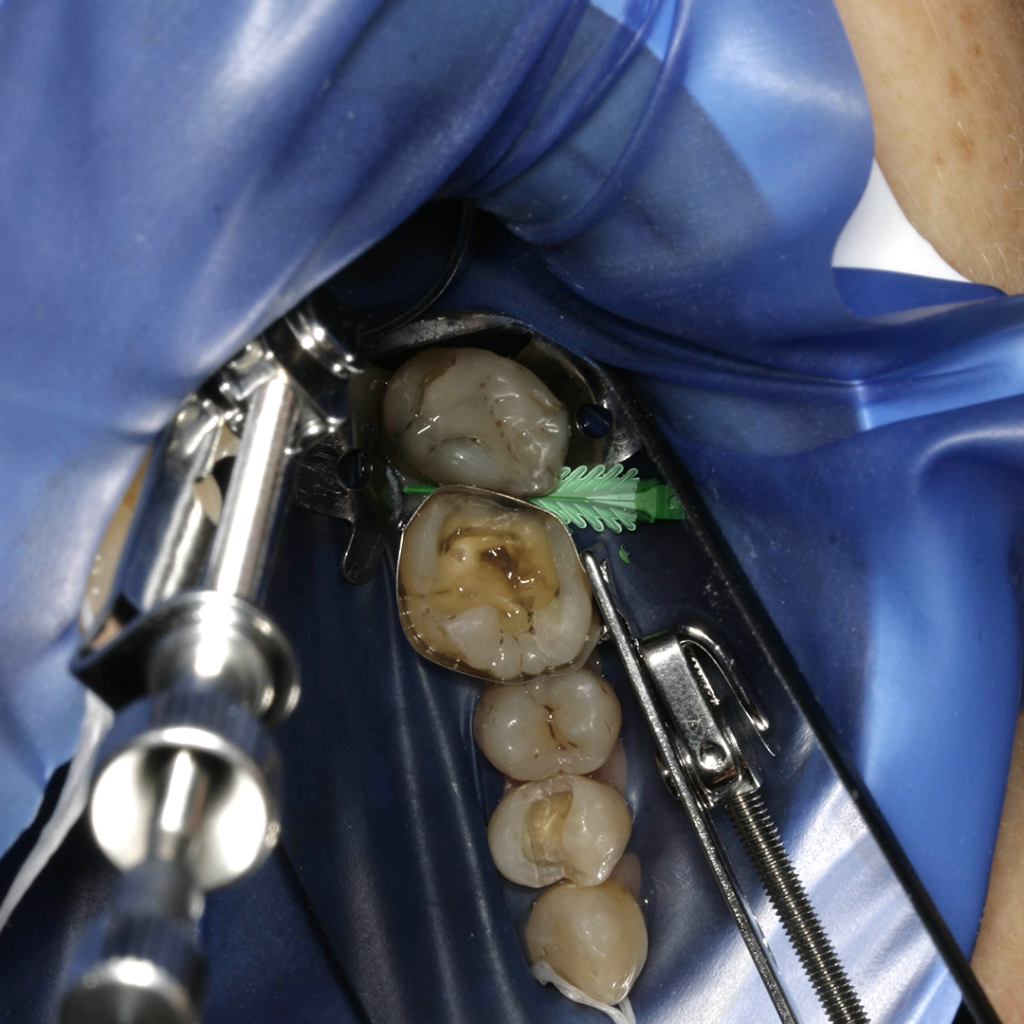
Tooth #26 exhibited a large amalgam restoration, while tooth #24 had significant fractures, particularly in the mesial and distal regions. After evaluating the conditions of both teeth, it was decided to remove the amalgam in tooth #26 and composite fillings in tooth #24 due to the presence of secondary decay. For both teeth, the Predicta Bulk composite material, shade A2/B2 was chosen for restoration.
The process of removing the old restorations was performed with a focus on minimal invasiveness. In cases where the enamel walls were thin or fractured, these compromised areas were carefully removed. We usually leave undercuts intact unless they are excessively deep, in which case, the walls are not sacrificed solely to eliminate the undercuts. This approach avoids unnecessary alterations while ensuring optimal bonding. Retention of the composite filling is achieved through bonding rather than mechanical undercuts.
To achieve the desired anatomical form and contact, pre-shaped matrices were utilized. The use of flat matrices was avoided, as they do not adequately replicate the natural contours of the tooth or establish proper contact. Following the restoration, excess material was removed, and the final shape was polished to ensure optimal functional and aesthetic outcomes.
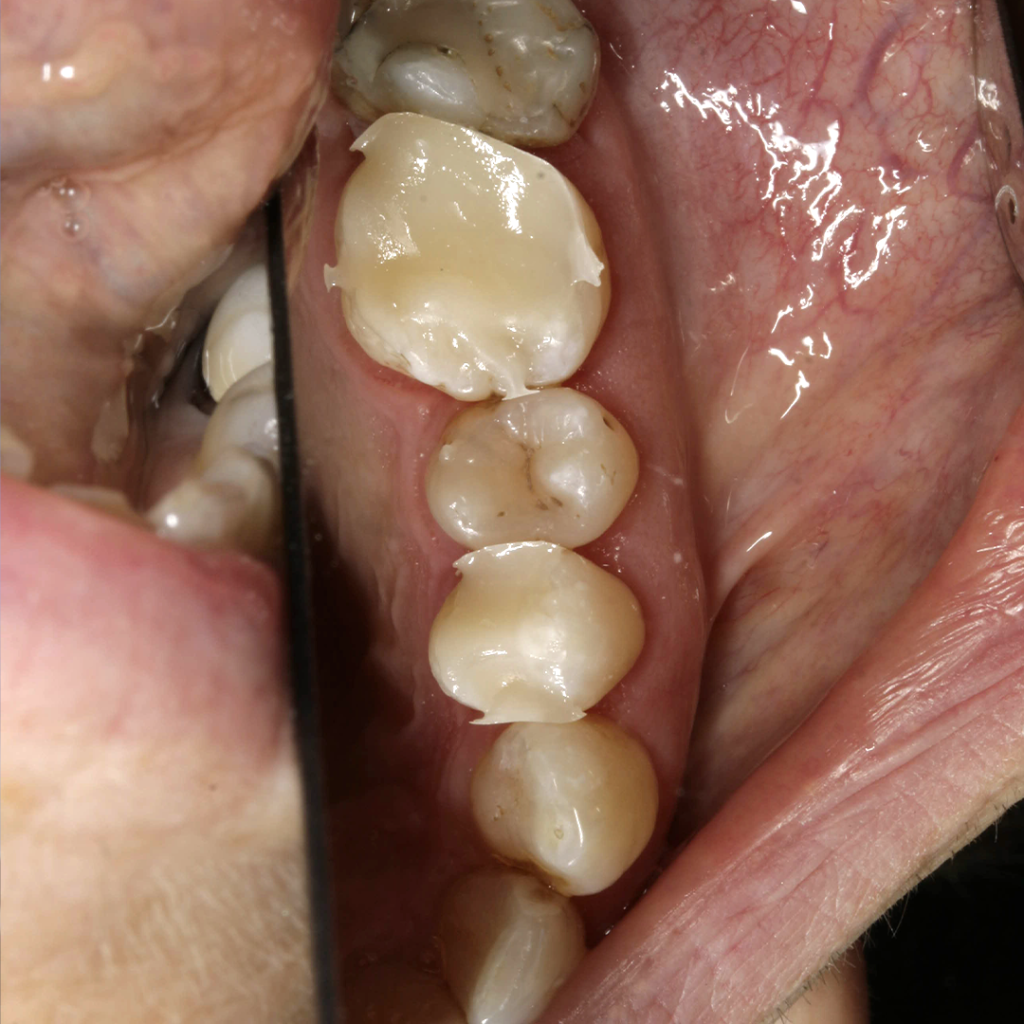
Excess material is not a problem on the occlusal area as it is easy to remove. On the other hand it is critical to avoid excess material in the gingival region of the cavity, as this can lead to complications. A well-positioned wedge was used to manage this excess, while excess material on the occlusal area was easy to polish and shape.
The color adaptability of the composite material was satisfactory and did not require custom shades, resulting in a natural and functional restoration.