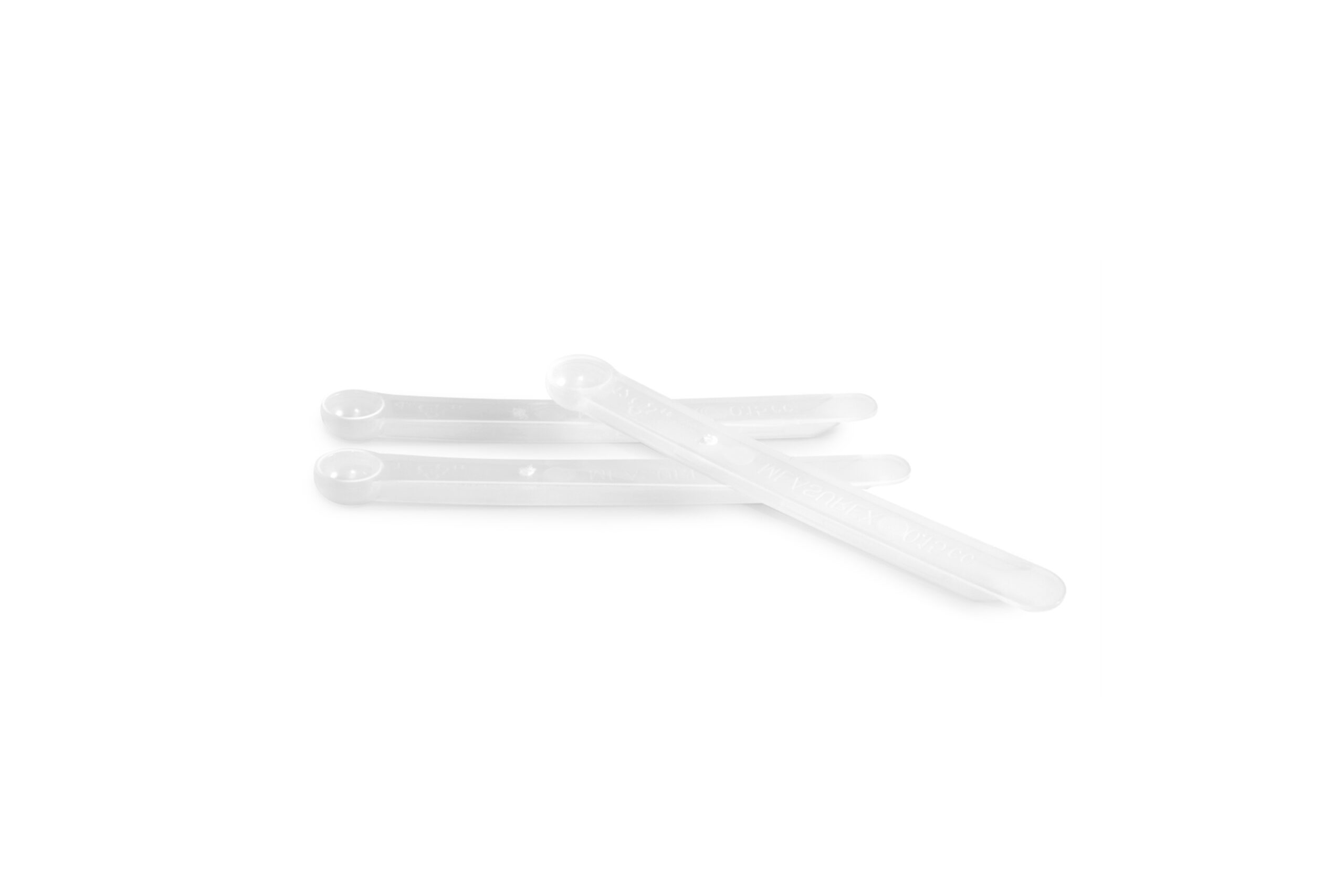
C&B Metabond R&D Refills & Accessories

Price range: €5.99 through €250.83

Refill & Accessories

Description

C&B Metabond R&D Refills & Accessories

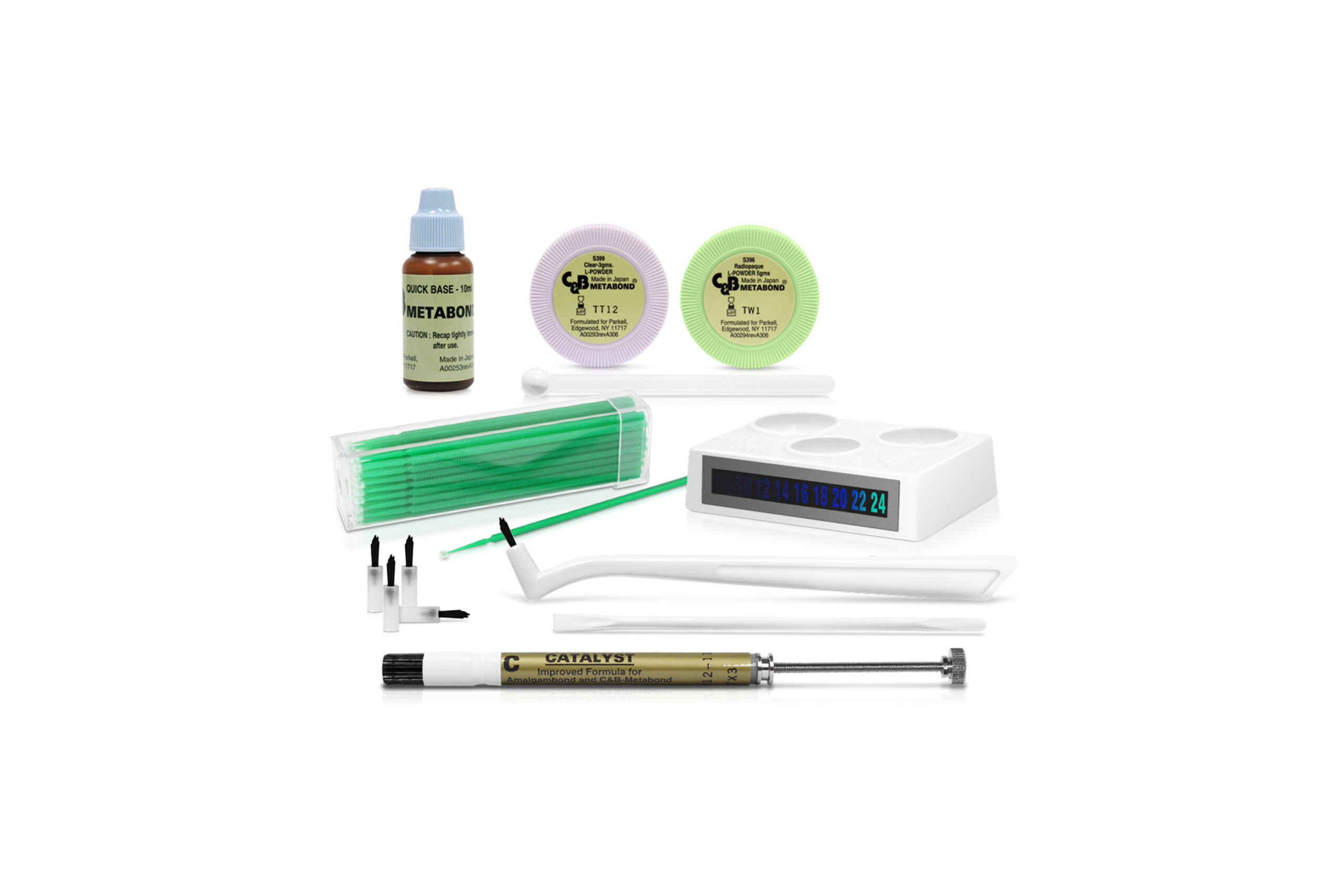
This page features all C&B Metabond accessories for R&D Cement System. Each item listed below is available for separate purchase and is fully compatible with the C&B Metabond R&D starter kit. Whether you need additional powder, fresh applicator brushes, or a backup mixing dish, you can quickly restock here.

All accessories are intended for non-human in vivo research only, and should be used in accordance with laboratory protocols.

Available C&B Metabond Refills & Accessories

Powders

  • Radiopaque L-Powder – 5g

  • Clear L-Powder – 3g

Liquids

  • Catalyst – 0.7ml

  • “B” Quick Base – 10ml

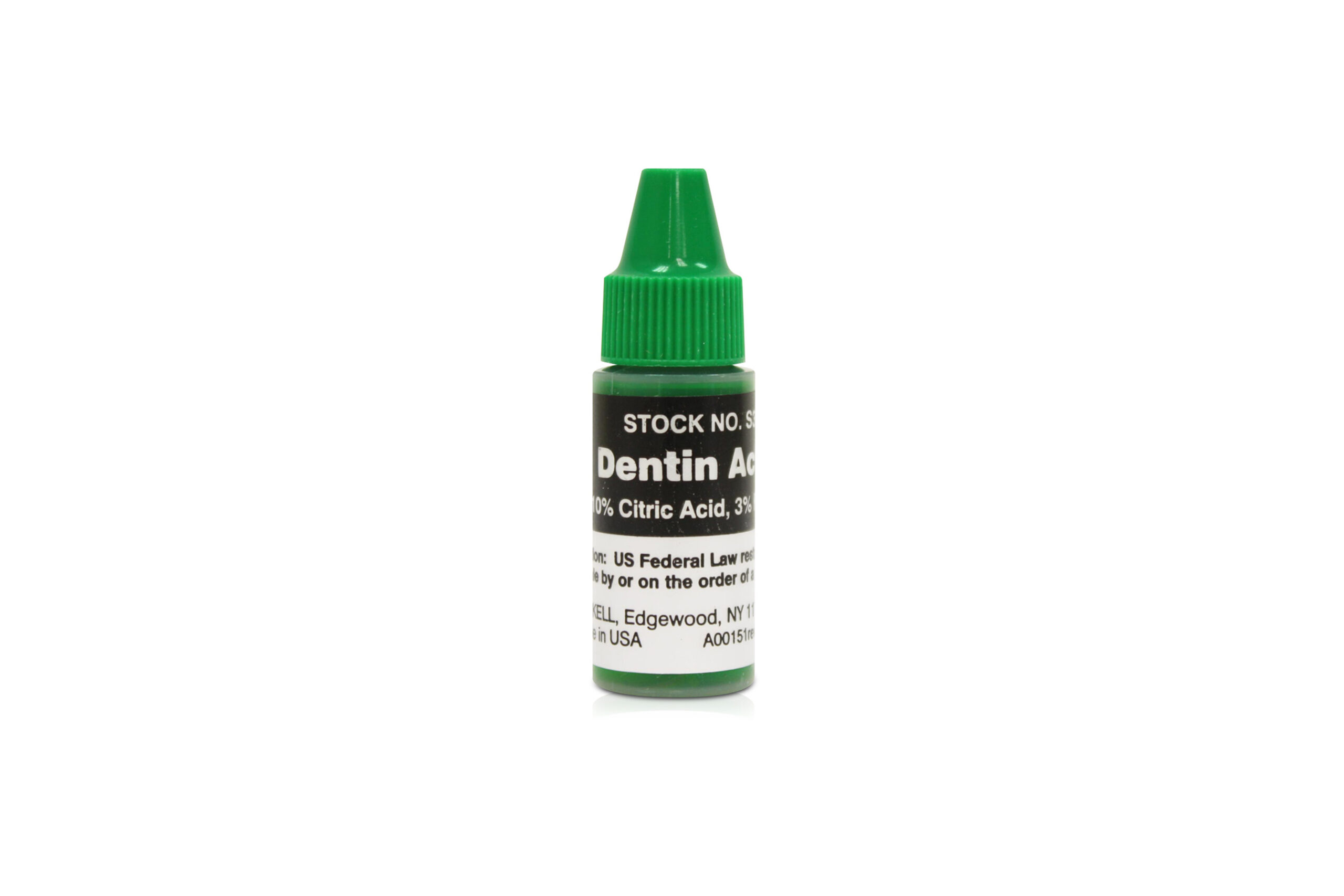
  • Dentin Activator – 10ml

Application Tools

  • Adjustable Applicator Brushes (Pack of 50)

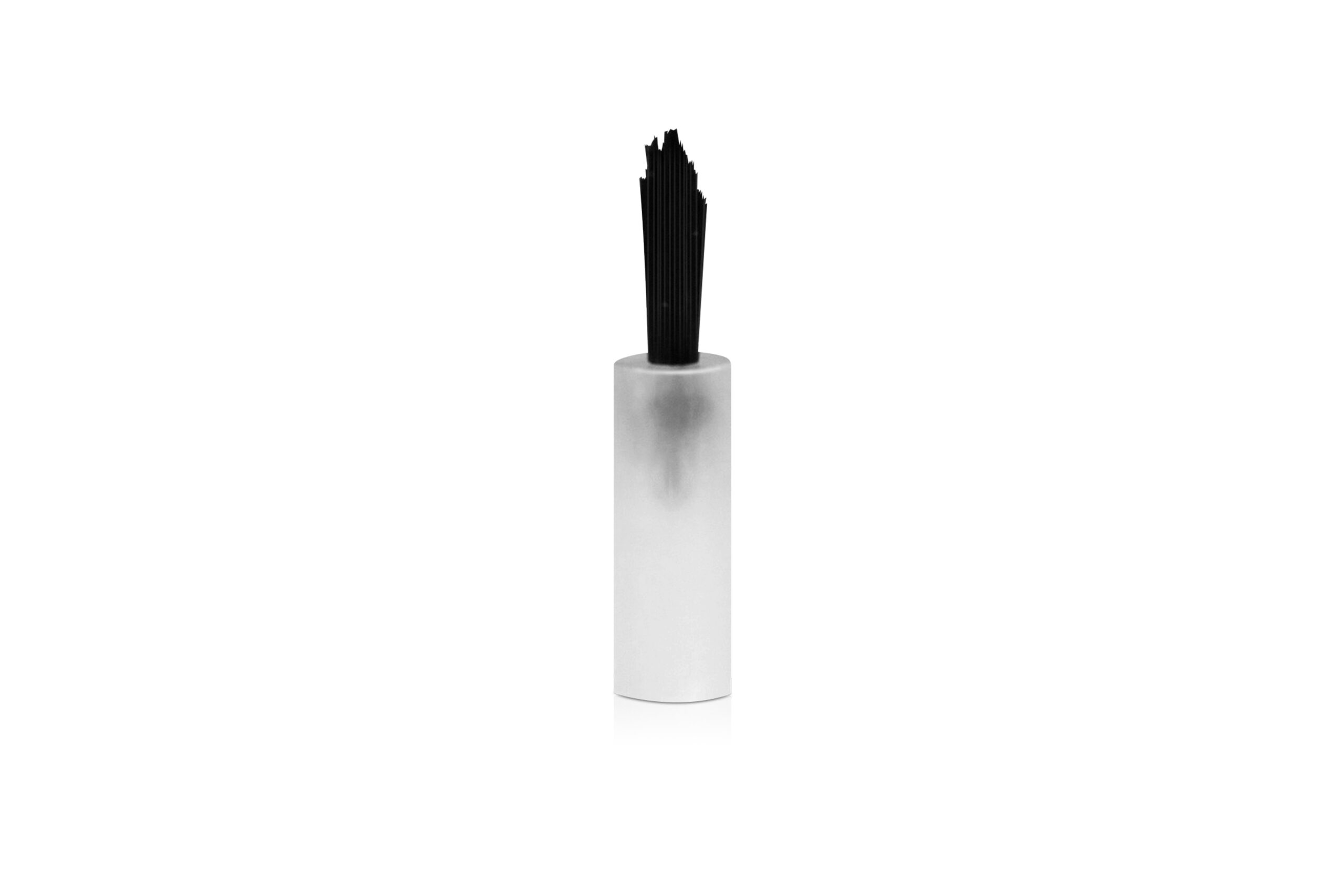
  • Disposable Brush Tips (Pack of 100)

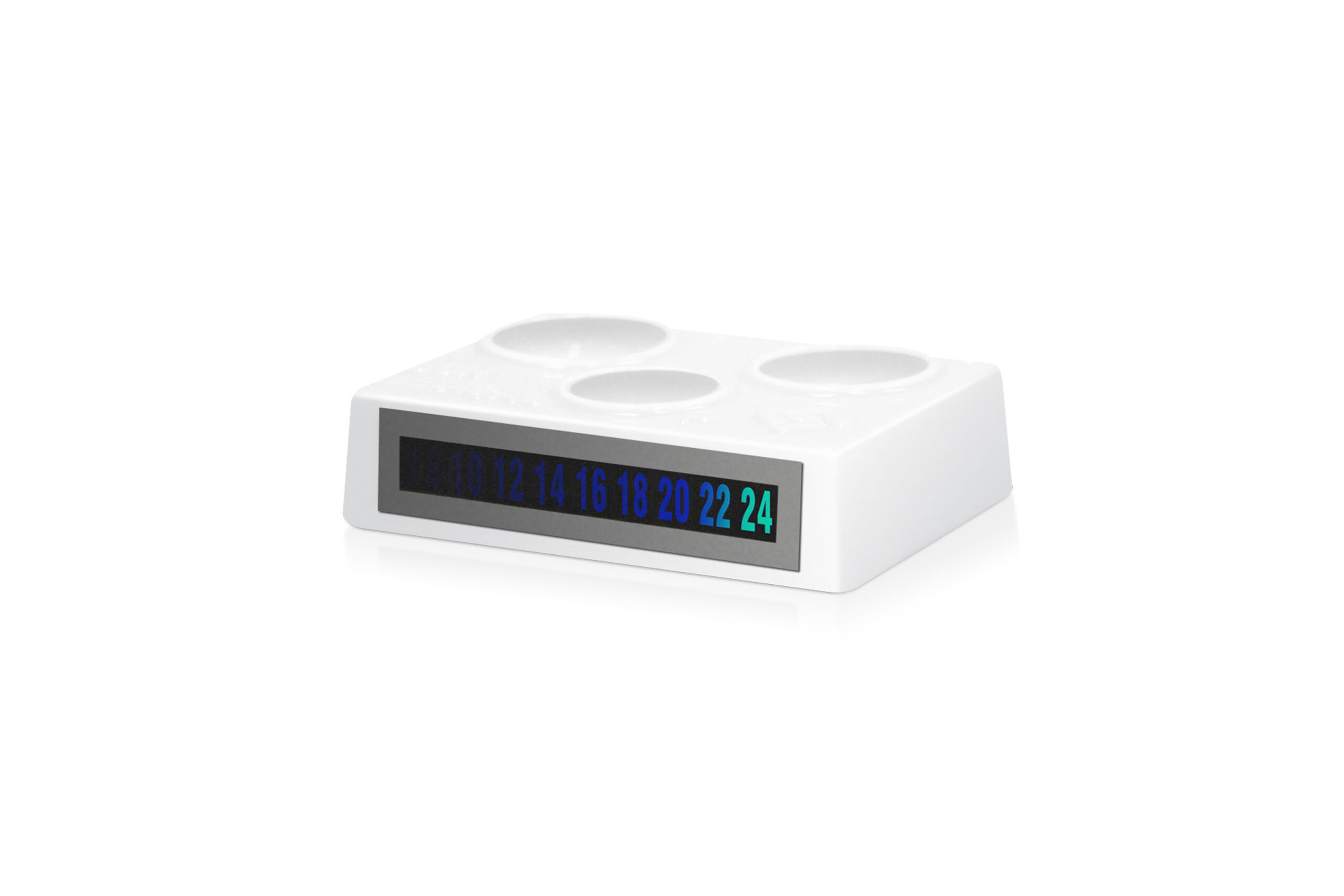
  • Ceramic Mixing Dish with Built-in Thermometer

  • Mixing & Application Accessory Kit

Shipping & Delivery

All C&B Metabond refills & accessories are shipped from Parkell Europe AB and typically delivered worldwide within 5-10 working days.

C&B Metabond Research Articles

All research article links can be found below:

Allen Institute for Brain Science: https://pubmed.ncbi.nlm.nih.gov/32946912/

International Brain Laboratory – v4, 2020: https://figshare.com/articles

Acute head-fixed recordings in awake mice with multiple neuropixels probes: https://figshare.com/articles

Subregional Differences in mPFC Function: https://elifesciences.org/articles/82833

Neural Circuit Mechanisms of Pain Perception: https://pubmed.ncbi.nlm.nih.gov/36602876/

Barkus et al., 2022 – J. Neurosci. Methods: https://pubmed.ncbi.nlm.nih.gov/36096238/
Videos

video-thumbnail

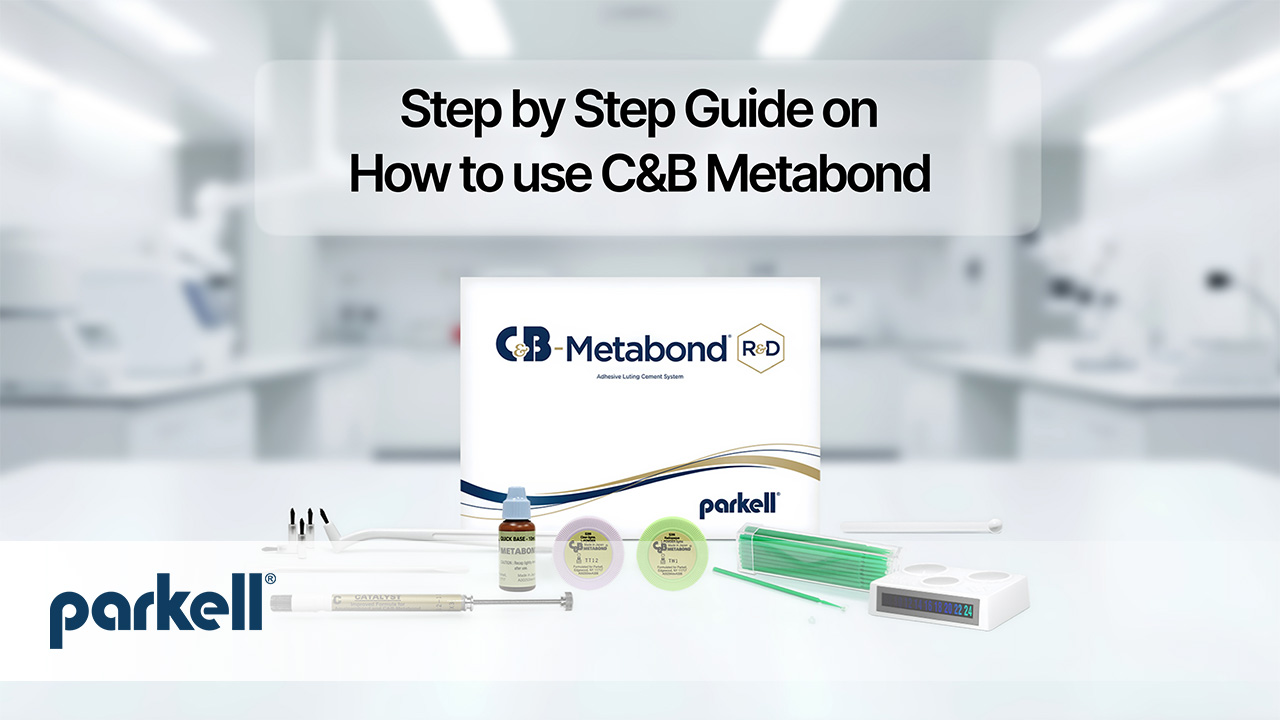
C&B Metabond R&D- How to Use Video

Information

Description
File name
Language

FAQ

C&B-Metabond® is a dental adhesive cement system developed by Parkell, Inc. It's renowned for its strong and durable bond between metals and bone, making it ideal for various neuroscience applications, including head fixation in rodent models.

Neuroscience researchers apply C&B-Metabond® to securely attach, electrodes, headbars or other fixation devices to the skulls of rodents and other animals. This ensures stable head fixation during in vivo physiological recordings and behavioral experiments.

C&B Metabond is formulated to bond directly to bone, providing a highly secure attachment of implanted devices to the skull without the need for intermediate adhesive layers. Its precisely calibrated measuring accessories ensure consistent, reproducible mixing ratios, in contrast to dental acrylic, which is typically measured by approximation and can therefore yield variable results

Yes, several protocols detail its use. For example, the International Brain Laboratory provides a protocol for headbar implant surgery in mice, highlighting the effectiveness of C&B-Metabond® in their procedures.

For detailed information, including product specifications and purchasing options, visit here.

Parkell’s C&B-Metabond® R&D is a self-cured resin cement providing ultra-high bond strength such as when adhering probes, bars, plate, or the like to bone for research purposes. C&B-Metabond R&D contains 4-META, a high performance adhesive monomer that creates excellent bonds to many surfaces via penetration and the formation of a hybrid layer. Additionally, the system uses a tri-n-butylborane (TBB) catalyst to ensure complete methacrylate polymerization under all conditions.

C&B Metabond eliminates the need for multiple steps, providing a cleaner and more efficient bonding experience. Dental acrylic has no adhesive properties and needs glue to create a bond between the skull and the acrylic. C&B Metabond has adhesive properties when used on its own, and boasts the viscosity required to lock onto devices like headbars or firmly attach electrodes to the brain

C&B-Metabond® comes with a range of accessories, including adjustable applicator brushes, a ceramic mixing dish with a built-in thermometer, and different powder formulations. These accessories ensure precision and ease of use in the lab.

Yes, several published protocols, such as those from the International Brain Laboratory, outline the use of C&B-Metabond® for head fixation in rodents, making it a trusted choice in the research community.

C&B Metabond's consistent performance and strong adhesion help minimize failures and variability, ensuring that researchers can achieve reproducible results across different experiments. The measuring accessories and clear instructions ensure precise mixing resulting in the same cement viscosity every time.

Dental Adhesives are bonding agents in liquid, low viscosity form. Adding a dual-cure or self-cure resin cement tor dental acrylic is necessary to act as the bridge between the skull and the fixture. C&B Metabond is a cement with adhesive properties and needs no additional layers.

No, C&B Metabond is not electrically conductive and can be safely used for trials requiring  non-conductive cement.

At “gel stage”, excess C&B Metabond can be peeled off wth an instrument without smearing.Cement adhering to metal instruments or the ceramic dish need to be cleaned before it has set. If any remains after setting, C&B-Metabond may be softened by soaking in organic solvents.

Researchers have reported that acetone can be used to dissolve the cement when electrode reuse is required. In cases where more time is available and brain harvesting is not necessary, soaking the electrodes in ethyl acetate (EPA) for approximately one week has also proven effective for recovery. A scalpel or curved scissors may be used to remove the majority of the cement; however, this method requires considerable precision if the integrity of the brain must be preserved

Researchers report adding coloured chalk and food colouring to C&B Metabond to colour code the animals. Coal is also being added if the cement needs to be completely opaque.

Choose the translucent (pink box) powder to prepare a see-through cement.

Choose the radiopaque (green box) powder to prepare an opaque cement. This cement mix has a radiopacity of 27% of aluminium.

C&B Metabond cement sets rapidly when warm. For optimal working time it should always be mixed in its chilled porcelain dish. Working time in a chilled porcelain mixing dish at 4°C is 2 to 3 minutes. The mixing dish is equipped with a thermometer.

The setting time at 37°C is 5 to 10 minutes.

Failures when using C&B Metabond are highly unusual. Should this occur please check if

  • the cement being mixed in the correct proportion
  • the liquids expired or evaporated. Never forget to re-cap the containers immediately after use

If the problem persists consider priming with the C&B Metabond Dentin Activator